
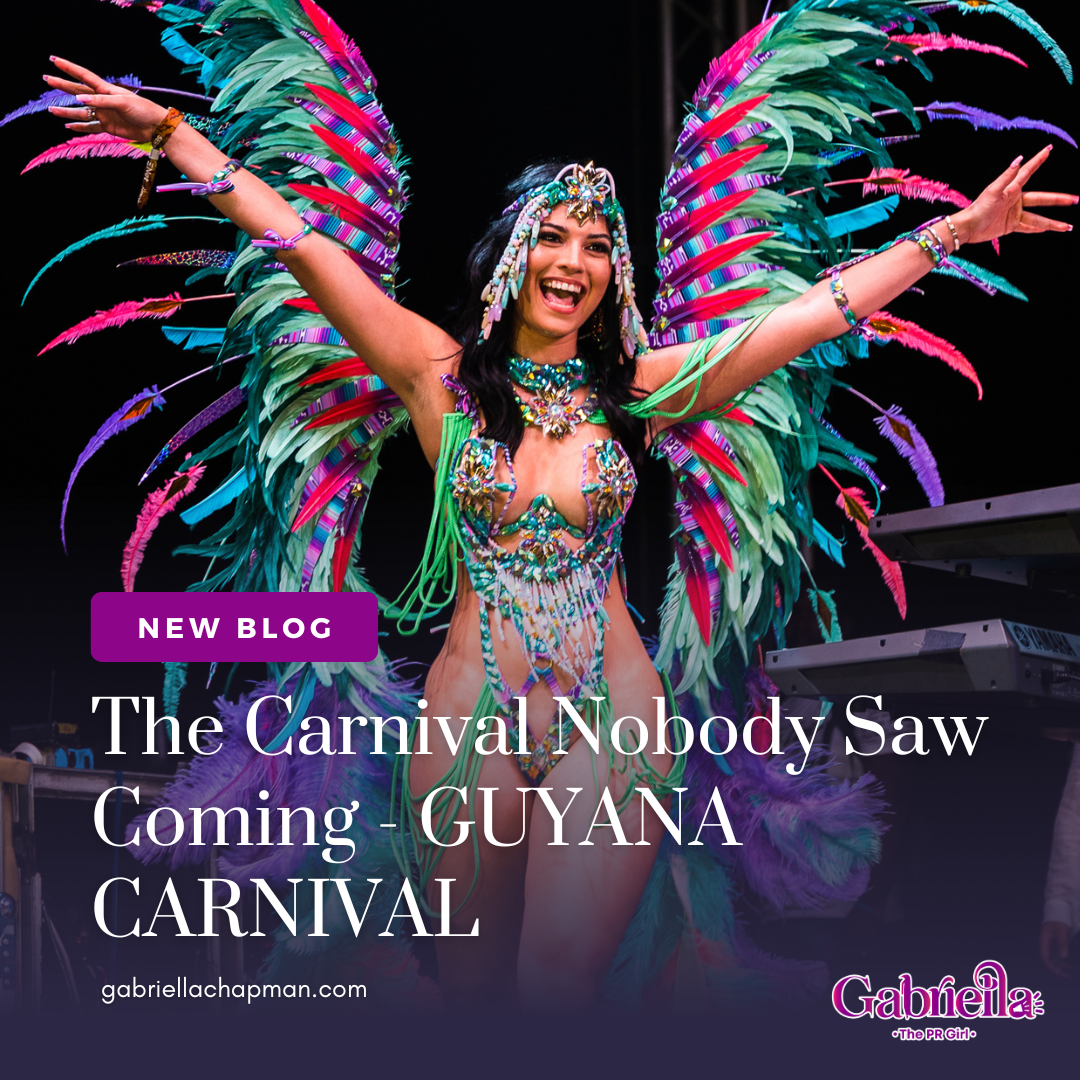
The Carnival Nobody Saw Coming – GUYANA CARNIVAL
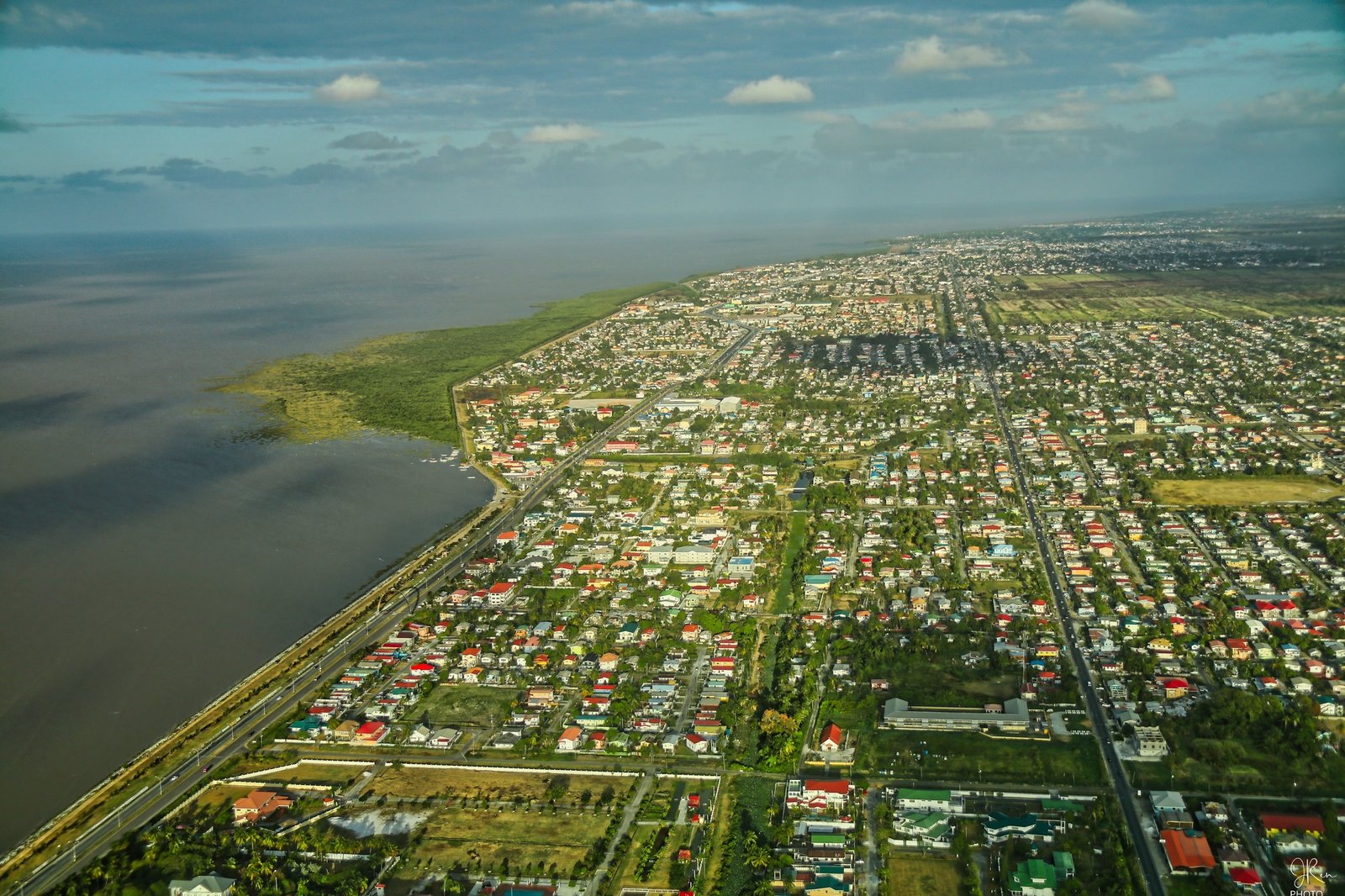
Guyana is a country of just under one million people, tucked into the northeastern shoulder of South America, bordered by Venezuela, Brazil, and Suriname. We are the only English-speaking country on the South American continent. We have the largest unspoiled rainforest in the Western Hemisphere, one of the world's most spectacular waterfalls, and a cultural richness so layered, African, East Indian, Indigenous, Portuguese, Chinese, Europeans, that it still quietly stuns the people who discover it.
And now we have a carnival. A full, unapologetic, internationally attended, tourism-defining carnival and it has quietly become one of the most exciting events in the Caribbean calendar.
How it all started
It was a private bet that became a national moment.
Guyana Carnival was not handed down from generations. There is no centuries-old tradition here, no colonial-era roots, no masquerade culture baked into our national identity the way it is in Trinidad. What we have is something arguably more exciting, a carnival that was built entirely by ambition. 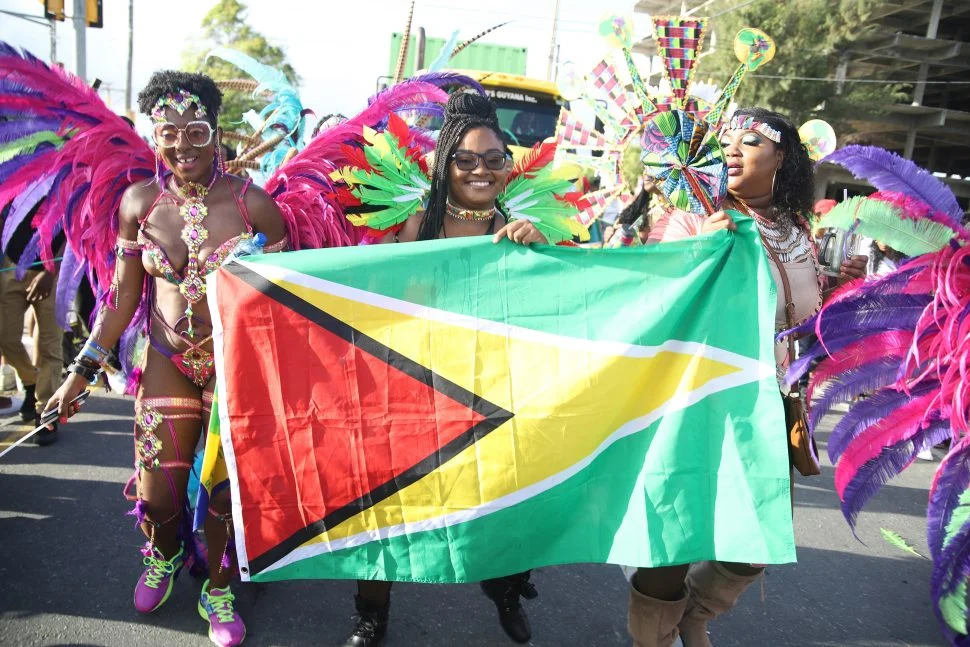
A handful of private promoters looked at the global cultural export other Caribbean islands had built, this economic engine, a magnet for diaspora and tourists alike, and decided Guyana deserved its own version.
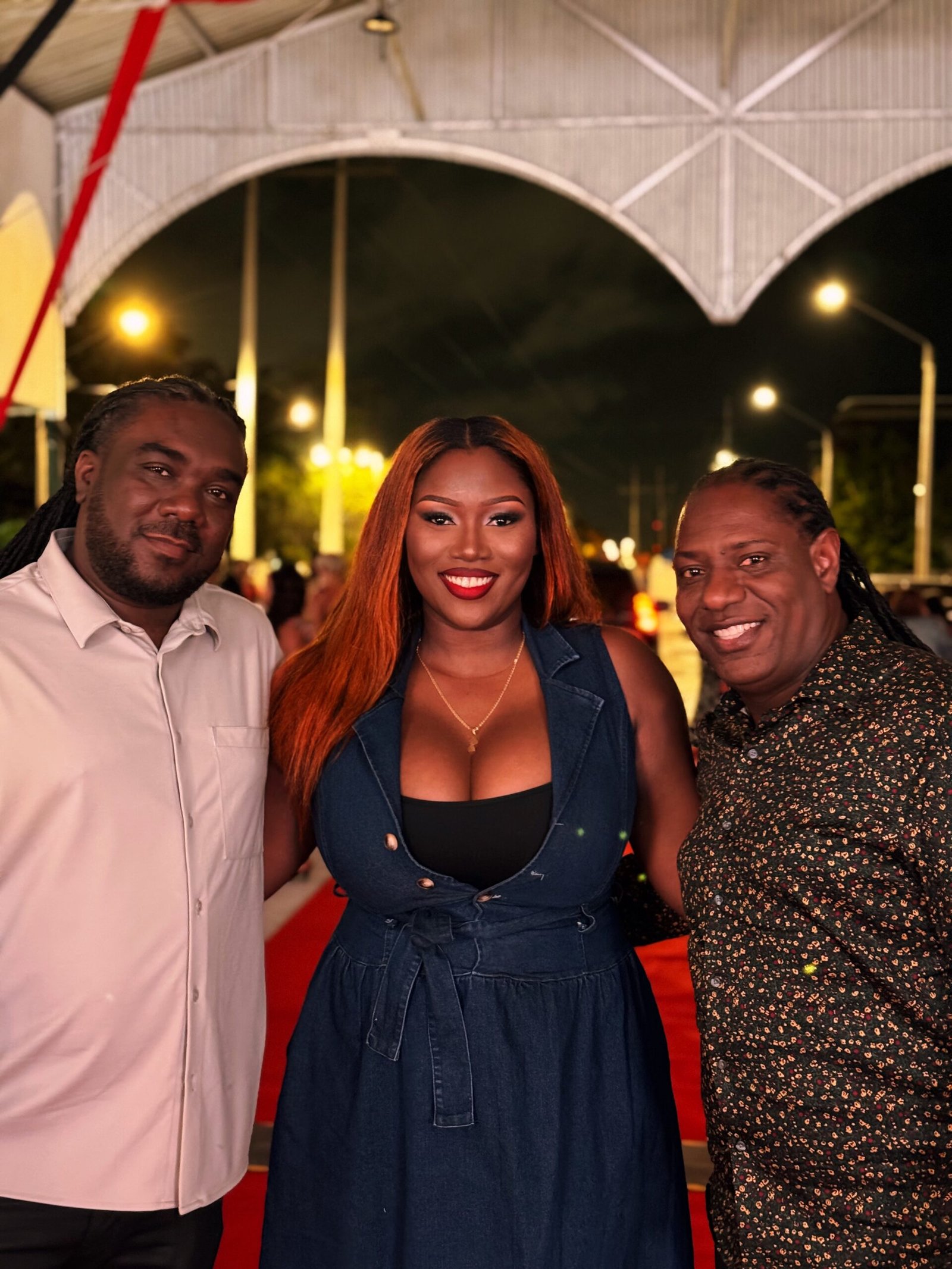
Year after year, the events got bigger. The production quality improved. International artists were announced. Hotels filled up. The road parade grew longer. Mas bands registered more masqueraders. And then, somewhere along the way, something shifted. Guyana Carnival stopped being a replica of a Caribbean tradition and became a distinctly Guyanese one.
Before we go any further, let me address something, because it would be dishonest not to.
There are Guyanese people, thoughtful, culturally invested people, who believe that carnival should not be where our energy goes. Their argument is not unreasonable. We already have Mashramani. We have a national festival, born from our own independence, rooted in our own history, that celebrates who we are as a people in a way that no imported tradition can replicate. Why pour resources, corporate sponsorship, and government attention into a borrowed event when Mashramani, our Mashramani, still does not receive the investment it deserves?
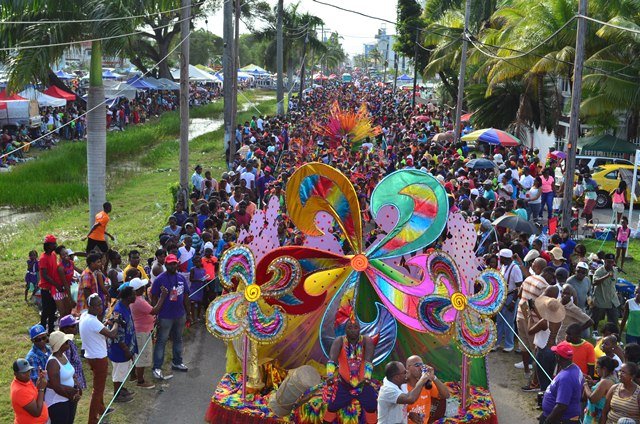
I understand that argument. I grew up watching Mash, covering it as a journalist, feeling the particular pride of something that belongs to us in a way that cannot be replicated anywhere else in the world. The floats, the costumes, the music, the republic spirit of it, Mashramani is ours in the deepest sense of the word, and anyone who says it is not worth protecting and investing in has simply not been paying attention.
But here is where I push back, culture is not a zero-sum competition. The existence of Guyana Carnival does not diminish Mashramani, and the growth of one does not have to come at the expense of the other. What the success of carnival has actually demonstrated is that Guyanese people are hungry for celebration, that we will show up, in enormous numbers, when the production quality meets us where we are.
That appetite exists for Mash too. The lesson from carnival's growth should not be "let's redirect this energy elsewhere" it should be "look what happens when we invest properly." Imagine if Mashramani received even a fraction of the private sector enthusiasm that carnival has attracted. That is not a reason to resent carnival. That is the argument for doing both, and doing both well. A country with a thriving Mashramani and a thriving carnival is a country that has learned to celebrate itself in every season and that version of Guyana is exactly what we should be building toward.
The numbers don't lie
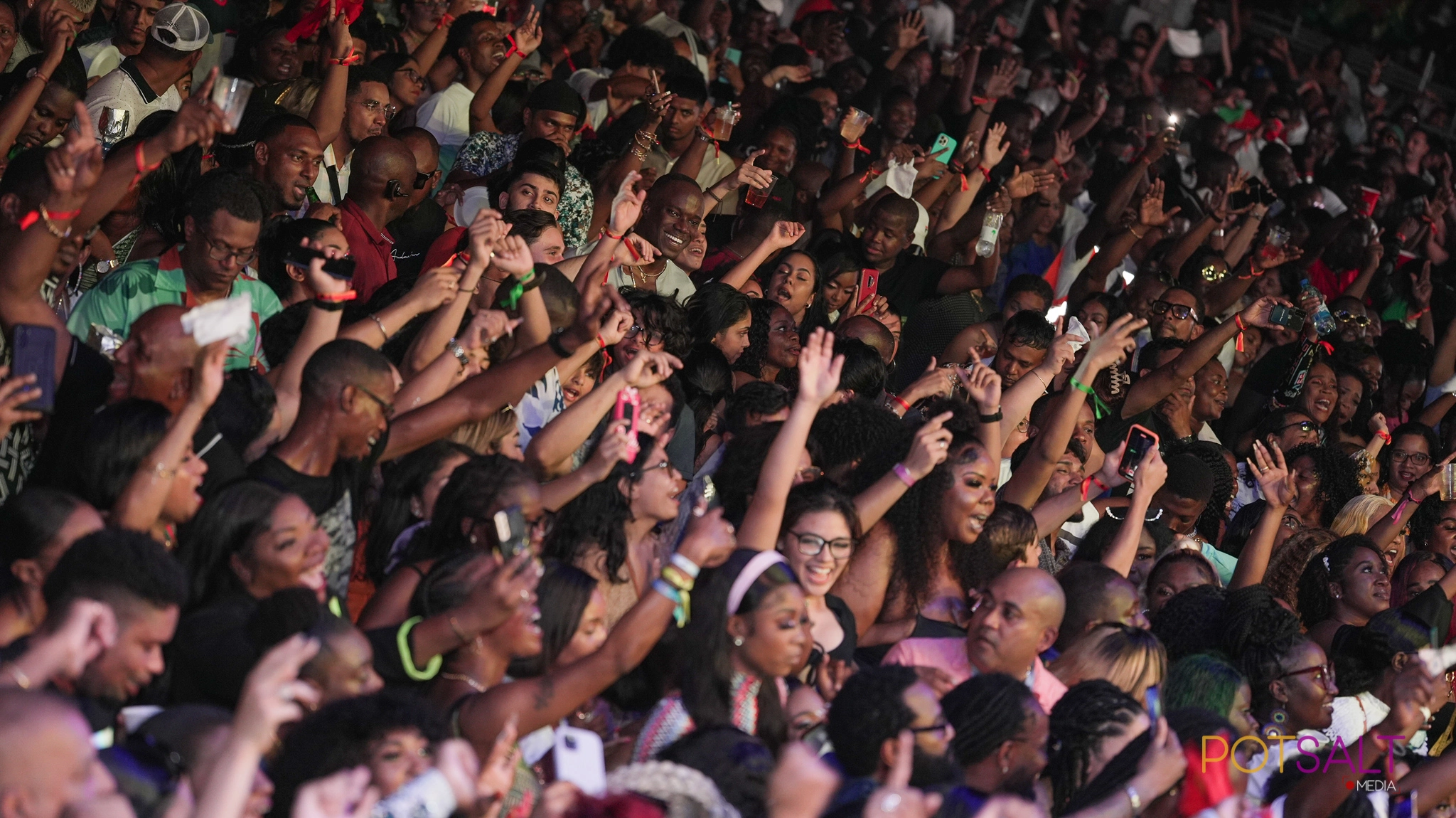
Guyana Carnival week now records the highest influx of visitors into the country during any single week of the calendar year.
Read that again.
Not Christmas. Not Mashramani. Not any government event or international conference. Carnival week.
People are flying in from Trinidad, from Barbados, from the United States, Canada, and the United Kingdom. Guyanese diaspora, people who left years ago and hadn't found a reason to come back at a specific time, are now booking flights and hotel rooms months in advance around a festival that didn't exist a decade ago.
That is a tourism story.
For a country that is also experiencing an extraordinary economic transformation driven by oil production, this is significant. Guyana is building infrastructure, expanding its international profile, and positioning itself on the world stage. Carnival is the cultural side of that story, the version of Guyana that says, we are not just an economy. We are a people with something to celebrate, and we know how to do it.
What actually happens during Guyana Carnival
For anyone unfamiliar, here is the short version:
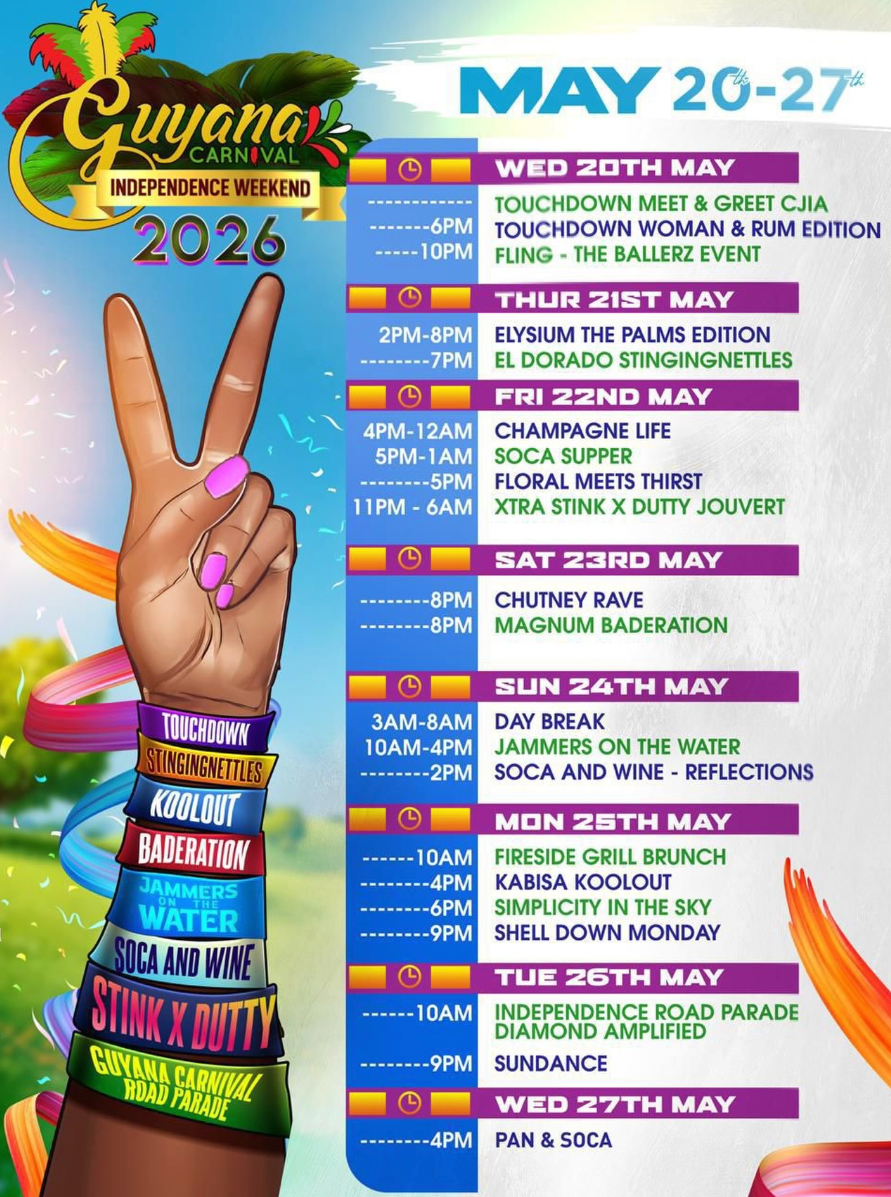
Guyana Carnival is a week of events that typically includes mega concert shows featuring regional and international artists, themed fetes and parties, and the road parade, the day the masqueraders take to the streets in their costumes, surrounded by music trucks and the kind of collective joy that is genuinely difficult to describe in words.
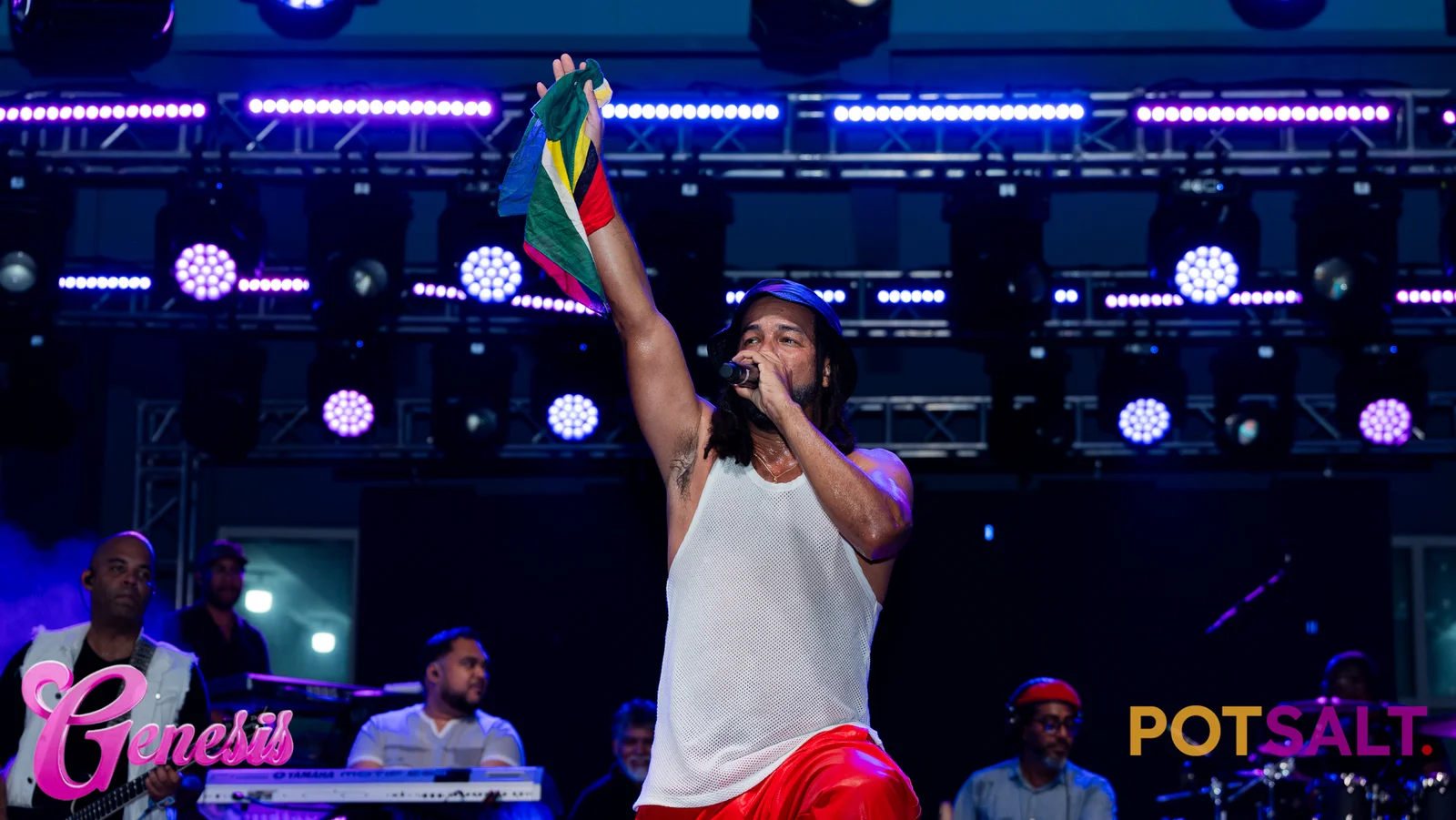
The mega shows are serious productions. International soca artists, dancehall acts, local performers. The kind of lineup that would headline a festival in Barbados, Trinidad or Jamaica. Guyanese promoters have learned quickly that quality matters, and the crowds they are now pulling reflect that.
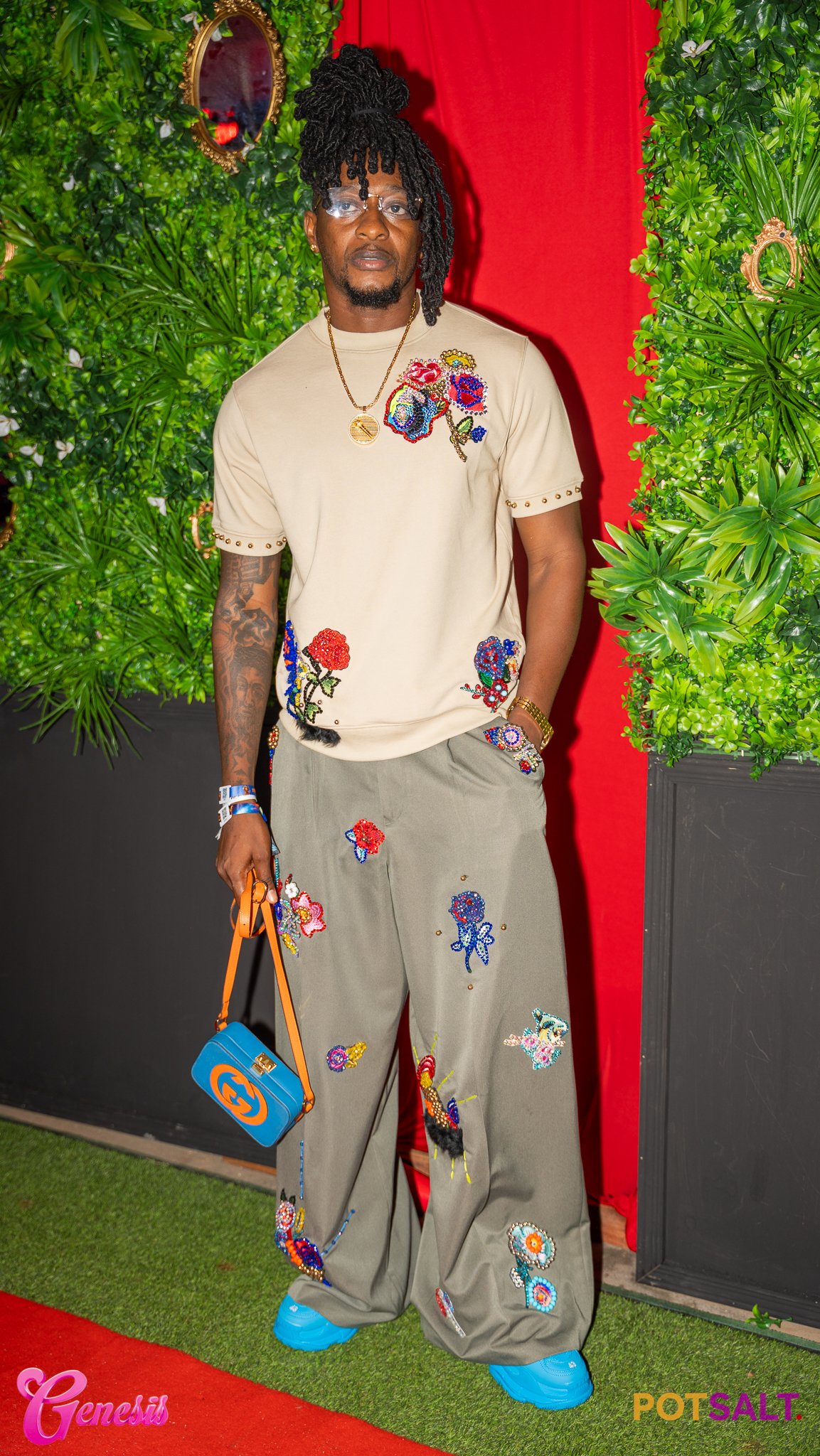
The themed fêtes are where the carnival fashion comes to life before the road. Every party has its dress code, its aesthetic, its atmosphere. If you like an event that doubles as a runway, these fêtes are for you.
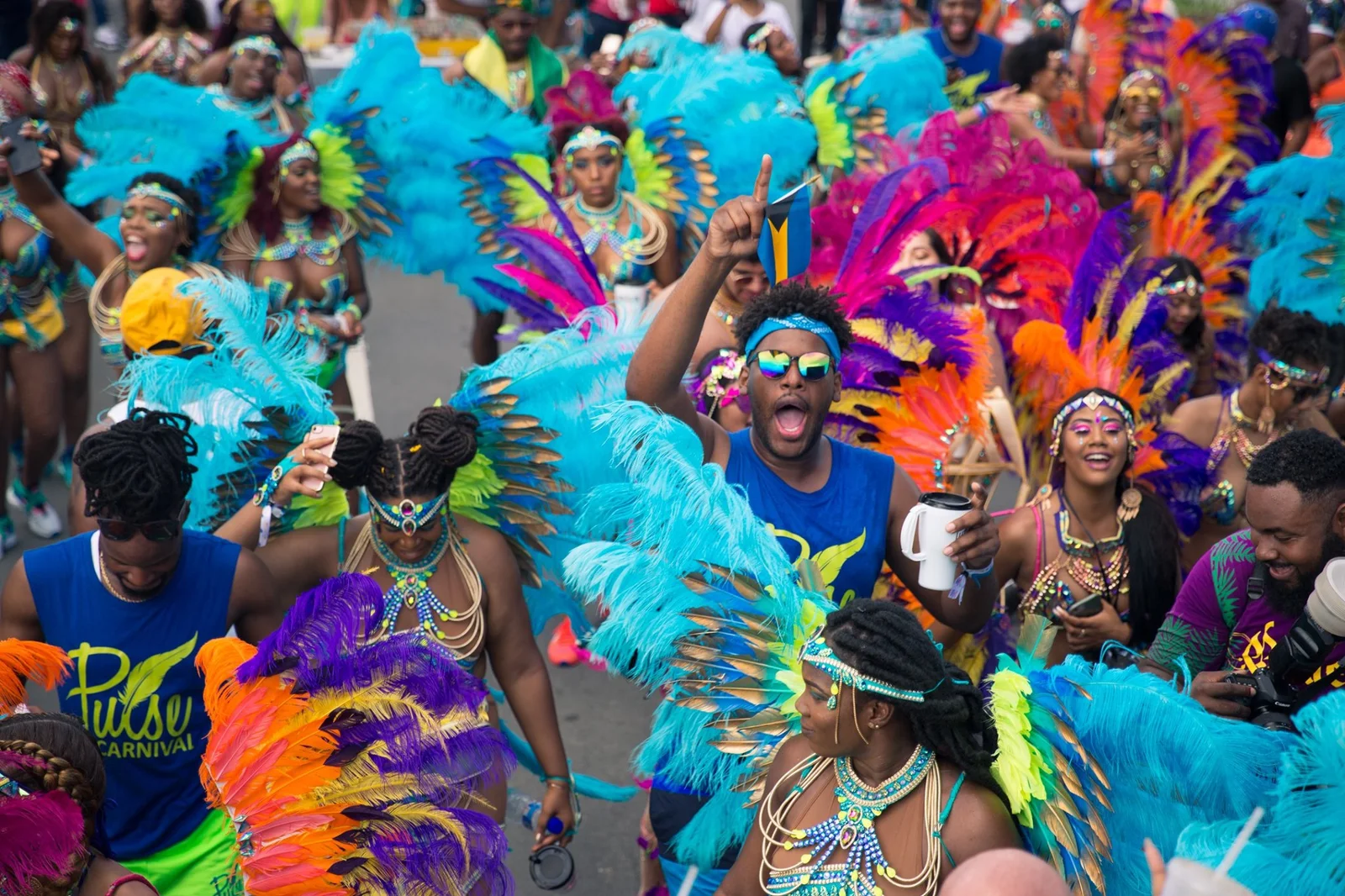
And then there is the road parade, the heartbeat of it all. Masqueraders in costume, section by section, each band moving through the city in a wave of colour and music. If you have never played mas, if you have never moved through a street surrounded by thousands of people all choosing, in that moment, to be completely and utterly free, it is an experience that stays with you. I promise you that.
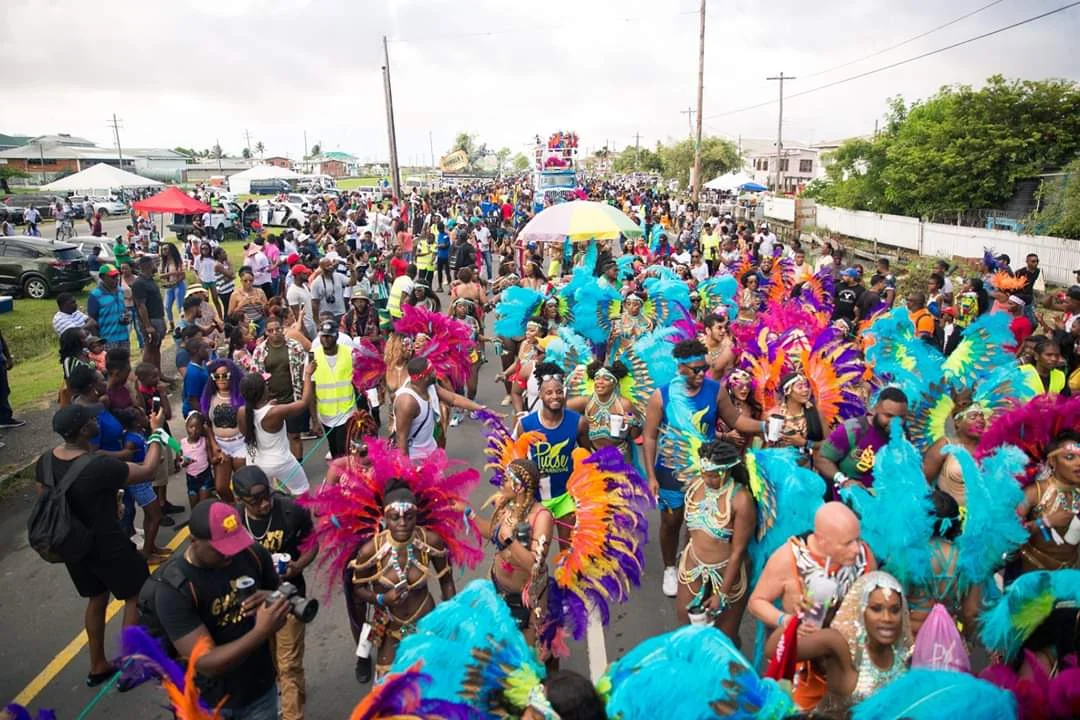
One of the most exciting developments in Guyana Carnival's evolution is the quality of the mas bands now designing and producing costumes for the road parade. These are creative productions, costumes with themes, with visual narratives, with craftsmanship that holds its own against anything.
Bands like Euphoria Mas are part of this story. They bring the same energy and production seriousness to Guyana Carnival that the best Trinidad bands bring to Port of Spain, and they are giving Guyanese masqueraders something they did not always have, the feeling that playing mas here, at home, is just as special as playing mas anywhere else in the world.
This matters more than people realise. For years, Guyanese carnival enthusiasts had to travel to Trinidad, to Barbados, to Miami, to get that experience. Now, the experience is here. And the bands building it are asking Guyanese people a quietly revolutionary question. Why leave when you can stay?
Why this is a Caribbean story, not just a Guyanese one
The Caribbean's cultural exports; our music, our food, our festivals, are among the most powerful soft-power assets in the world. Trinidad Carnival is a global brand. Crop Over draws visitors from every continent. Jamaica's music has influenced every genre on earth. We know how to build culture. We know how to turn celebration into economy.
Guyana Carnival is the newest chapter of that tradition. And the Caribbean community should be paying attention for a few reasons.
First, it is accessible. Guyana Carnival has not yet reached the price point or the logistical complexity of Port of Spain during carnival season. Hotels are not selling out six months in advance at triple the rate. Costumes are more attainable. The events are not yet so crowded that the intimacy is lost. Right now, Guyana Carnival has something that bigger carnivals have slowly lost, the feeling that you can actually be in the middle of it rather than watching it from a distance.
Second, it is genuinely Guyanese. This is not a replica. The food at the fêtes is Guyanese food. The crowd speaks in Guyanese accents. The local artists on the lineup are Guyanese artists. There is a specificity to Guyana Carnival that makes it impossible to mistake for anywhere else. That specificity is exactly what makes it worth visiting.
Third, Guyana itself is worth the trip. You would be flying into a country that is in the middle of one of the most dramatic transformations in the Western Hemisphere. Georgetown is changing fast. New restaurants, new energy, a new confidence in the air. Guyana Carnival is your entry point, but once you arrive, there is a country waiting to show you what it has become.
A note on what this means to us
I have to be honest about something.
As a Guyanese woman who grew up watching what we celebrated and what we did not, there is something deeply meaningful about watching Guyana Carnival become what it is becoming.
We are a country that has sometimes struggled to believe in ourselves, in our culture, in our potential, in whether the things we build here can stand alongside the things built elsewhere. Carnival is a small but powerful counter-argument to that doubt.
Every year that the road parade fills with more masqueraders, every year that more tourists fly in, every year that a Guyanese designer crafts a costume that makes someone feel magnificent, we are saying something about who we are and what we are capable of.
I am here for all of it.
So, should you come?
If you are Caribbean and you have been to carnival before, yes, come. This is different from what you know, and that is precisely the point. It is smaller, it is newer, and it has an electricity that comes specifically from being in the early chapters of something great.
If you have never played mas before, come. Guyana Carnival is one of the more accessible entry points in the region. The bands will take care of you. The people will welcome you.
If you are Guyanese and you have never played mas in your own country, this is the year.
Guyana Carnival is not asking for your comparison. It is not competing for your approval. It is simply happening, year after year, getting bigger and better and more itself and the Caribbean, and the world, is starting to notice.
Bonus read

So I'm actually doing a research paper that involves me having to delve into Caribbean culture. I stumbled on some material that clarified that Carnival was not originally Trinidad's, in fact, it wasn't Caribbean at all. This new found knowledge shifted my perspective entirely about culture.
Trinidad Carnival traces back to the late 18th century, when French Catholic planters brought the tradition of pre-Lenten masquerade balls to the island after 1783. These were private, indoor parties for the French Creole elite who wore elaborate costumes, music, dancing before the fasting season of Lent. The enslaved African population was excluded entirely.
When slavery was abolished in 1838, freed Africans took the celebration and made it their own. LOUDLY, deliberately, and in the streets. They brought Canboulay (from "cannes brûlées" burning cane), a torchlit procession that re-enacted the brutal practice of enslaved people being forced to run to burning cane fields. It was raw, it was political, it was defiant. The British colonial government tried to ban it multiple times. The people pushed back every single time.
Over the following decades, African rhythms, call-and-response singing, and street performance fused with the existing masquerade tradition. Calypso emerged as social commentary, a way to mock the powerful when you couldn't challenge them directly. Steelpan was invented in the 1930s-40s, created from discarded oil drums by working class Trinidadians in the yards of Port of Spain. The mas bands, the costumes, the road parade, all of it evolved organically over more than 200 years.
Trinidad Carnival became a global brand not because it was handed down perfectly formed. It became one because generation after generation of ordinary Trinidadians, many of them poor, many of them marginalised, kept building it, kept defending it, and kept pouring their creativity into it.
So the carnival the world celebrates today was built by regular people, over generations, who decided they deserved something.
That is exactly what is happening in Guyana right now. Not in 200 years, right now. The blueprint is the same. The only difference is the timeline.
So when someone tells you carnival isn't Guyanese, remind them that it wasn't always Trinidadian either. Culture isn't about where something started. It's about what people decide to do with it.
If you want to read more on Guyana Carnivals origin story, click here to read an older blog I wrote.







Comment (1)
LadyMel
This was a good read. I learnt something there about the carnival’s origin… will read more about that at a later time. It